

Two Spanish Michelin-starred Chefs Share Their Philosophies
By Kathleen Pokrud
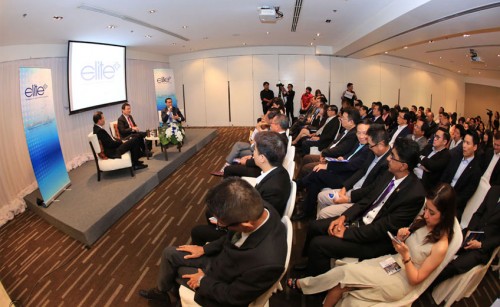
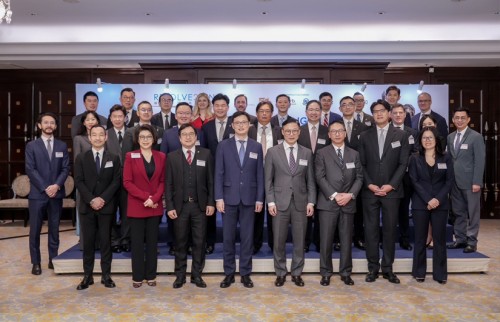
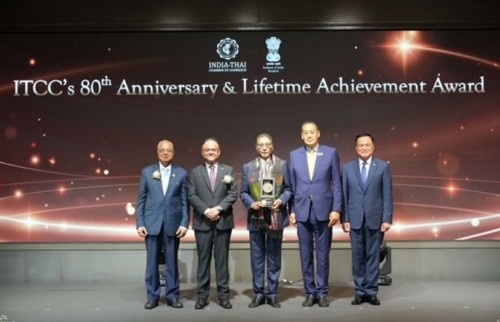
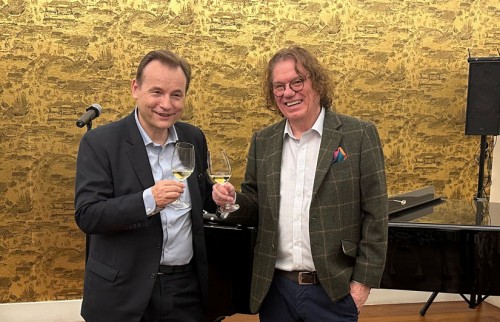
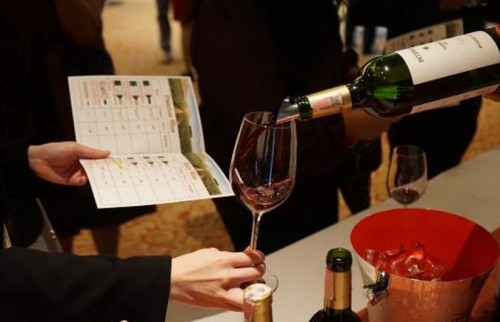
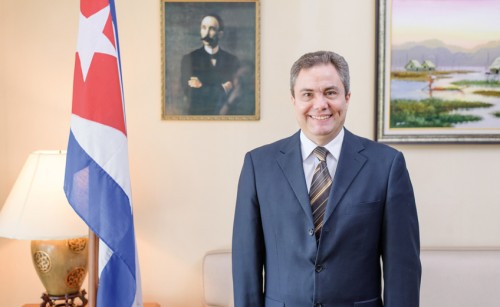
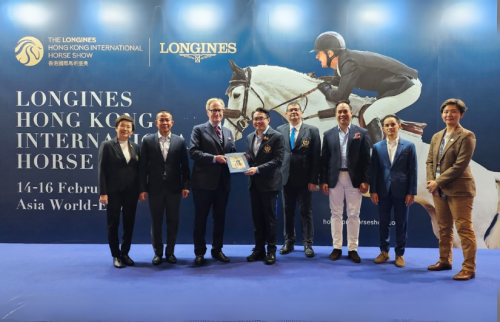
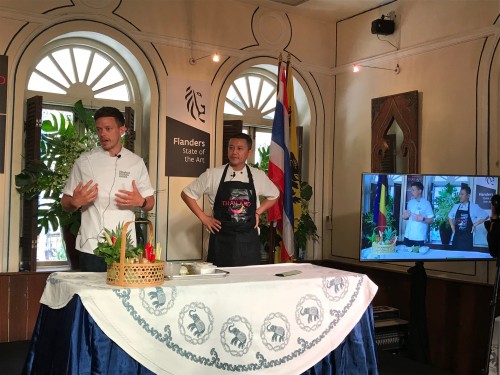
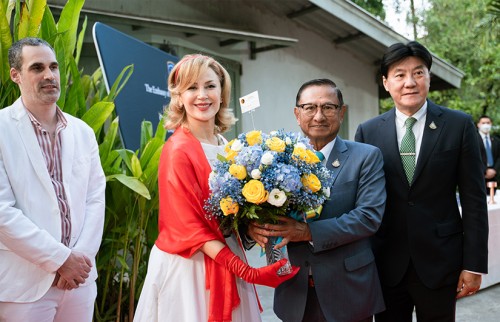
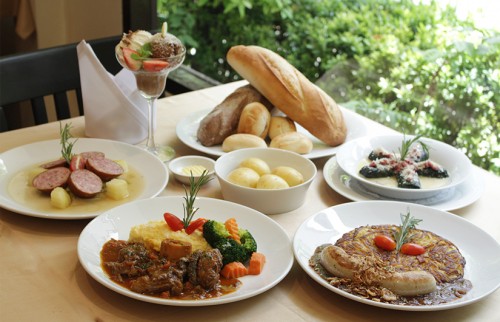
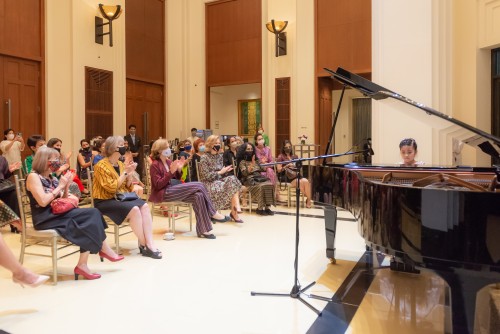
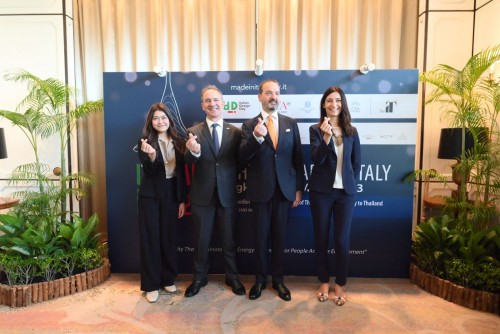
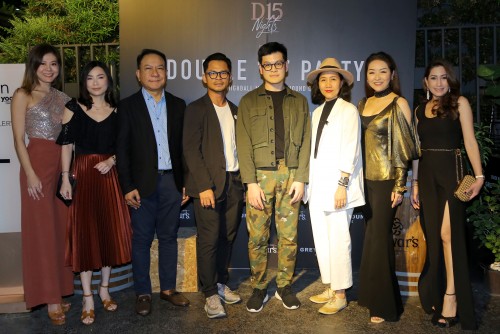
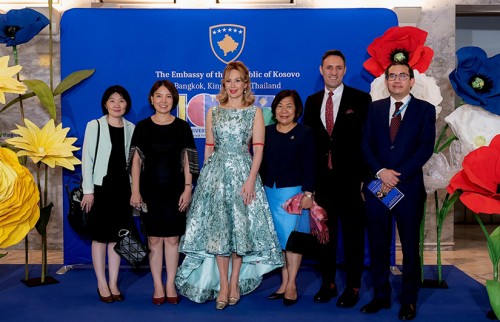
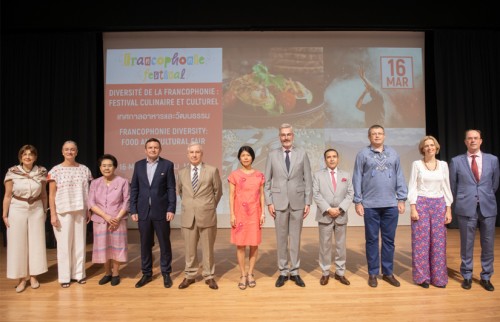
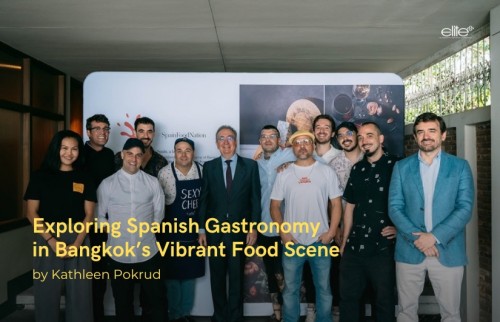
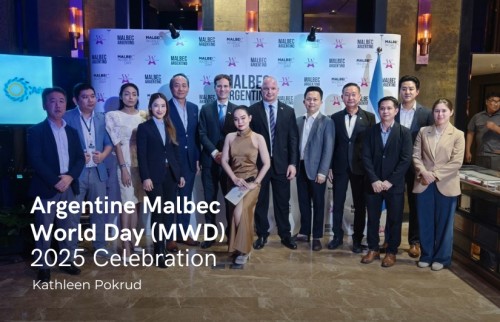
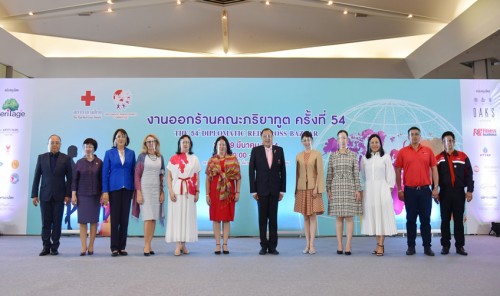
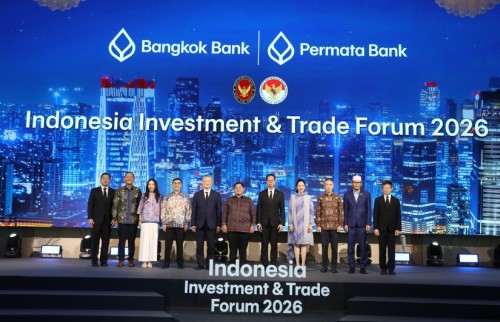
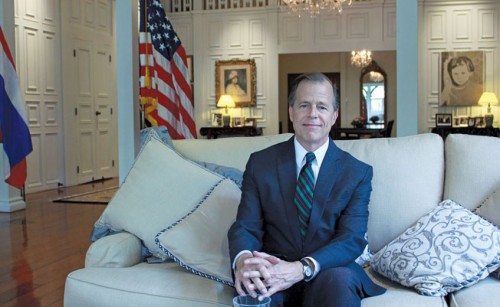
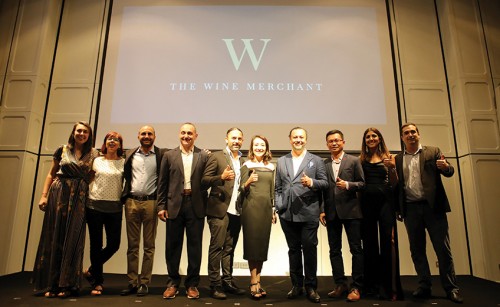
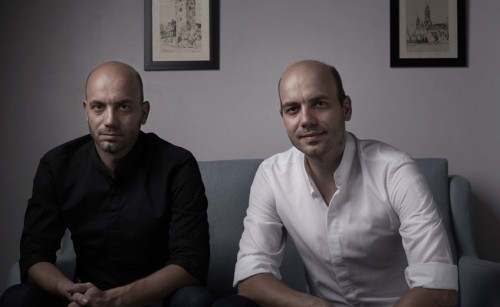
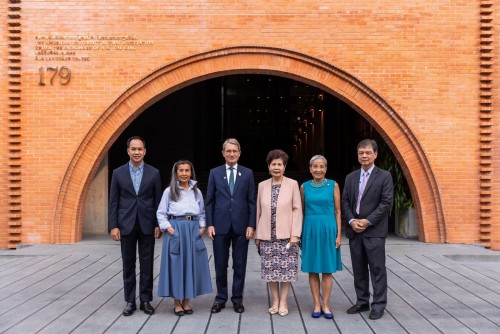
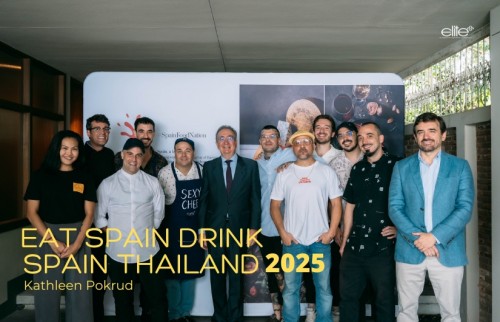
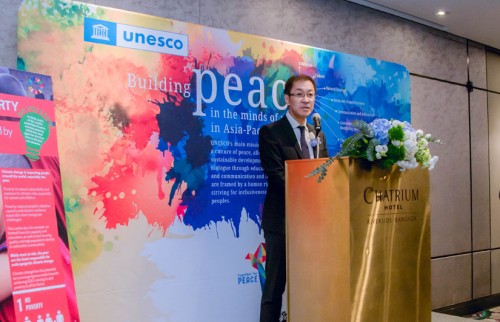
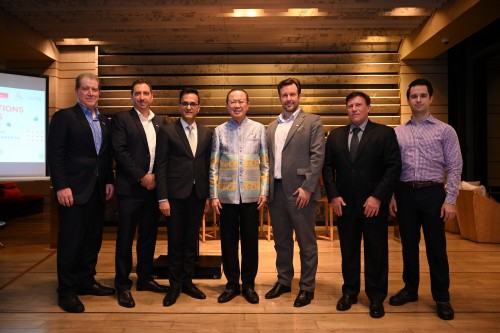
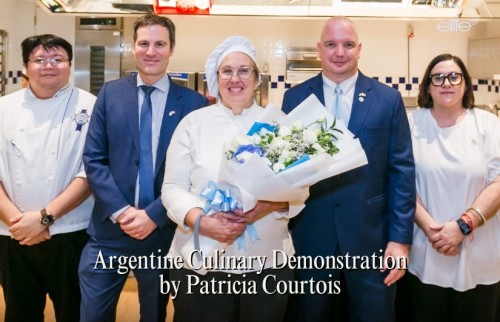
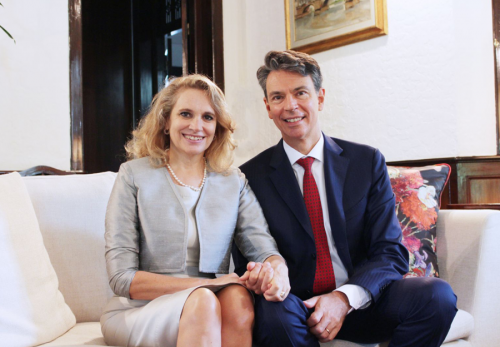
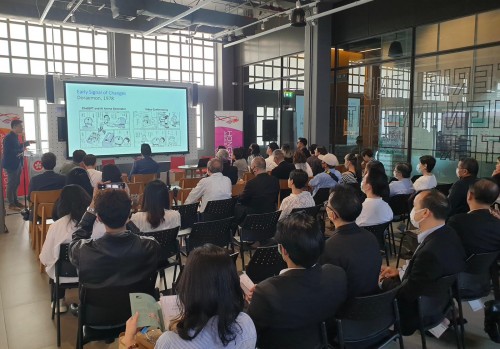
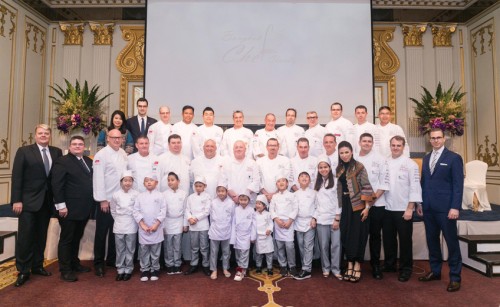
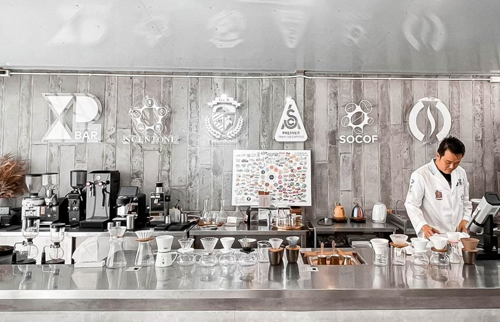
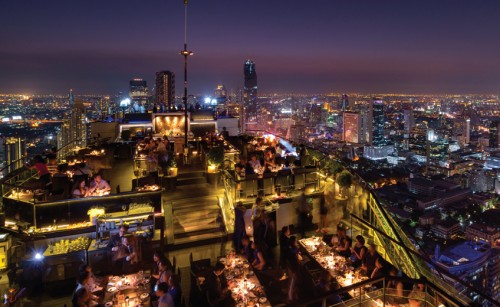
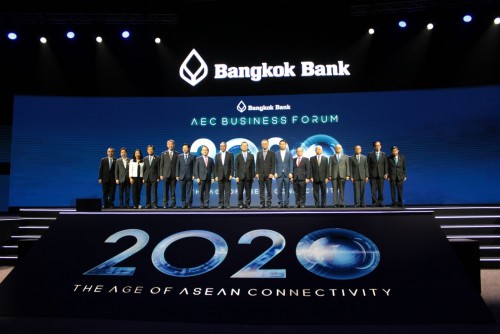
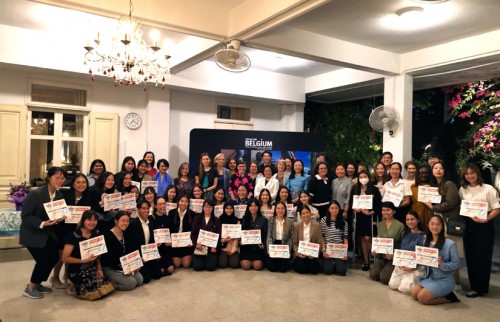
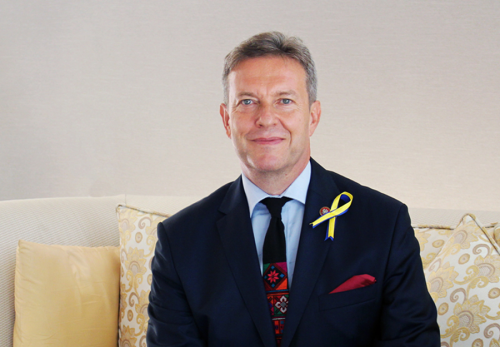
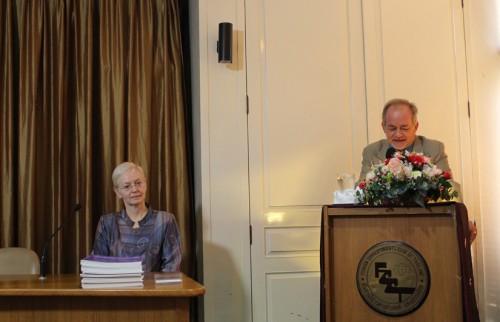
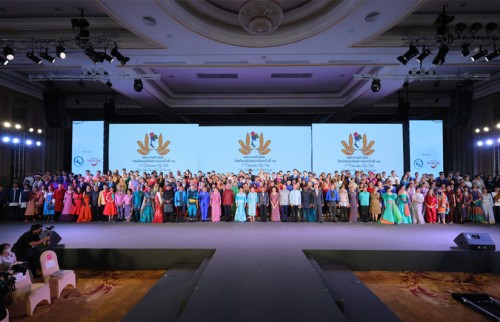
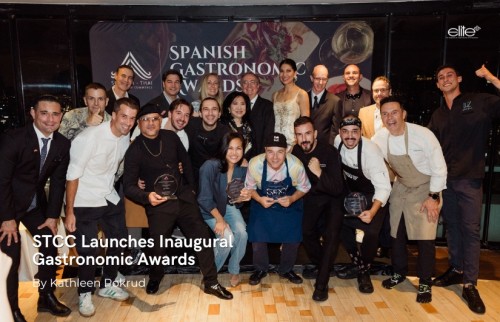
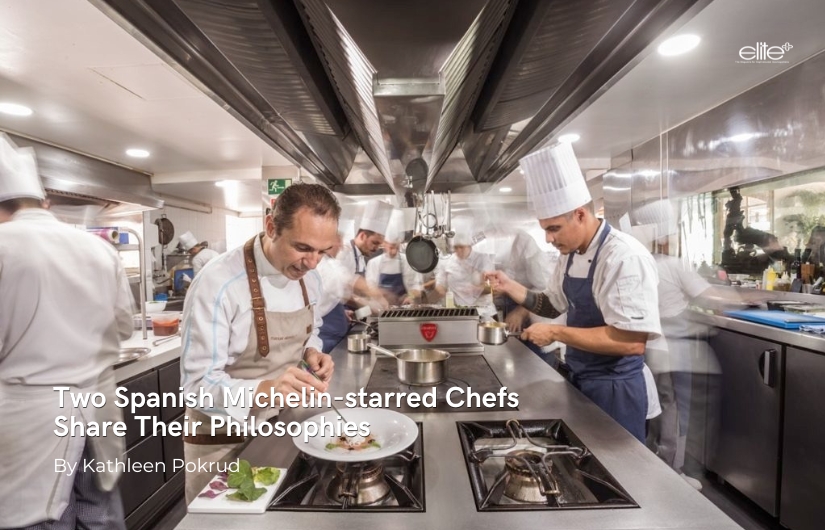
The Embassy of Spain, in collaboration with the Spanish-Thai Chamber of Commerce, recently hosted an evening celebrating outstanding achievements in gastronomy. Elite+ had the opportunity to speak with two Michelin-starred Spanish chefs to explore their culinary philosophies and global influence.
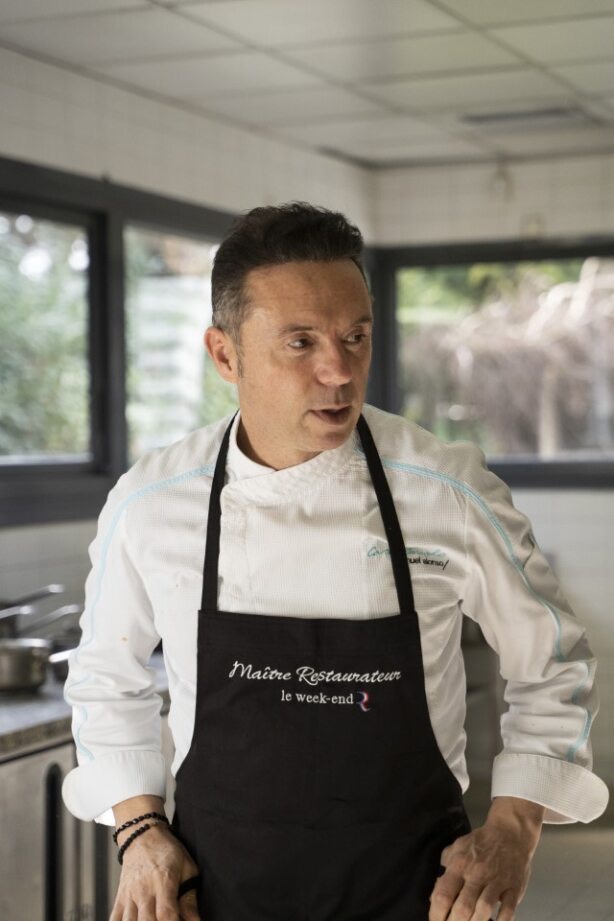
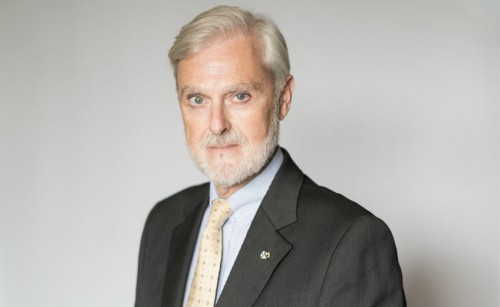
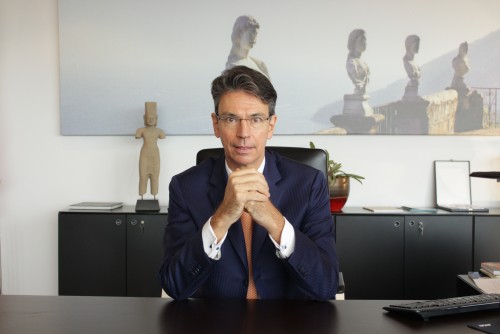
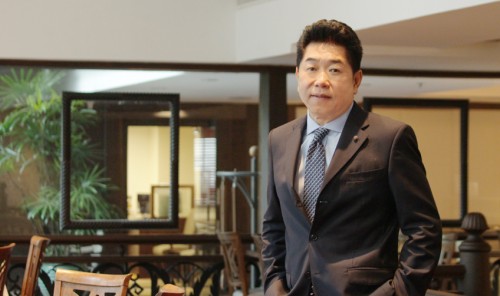
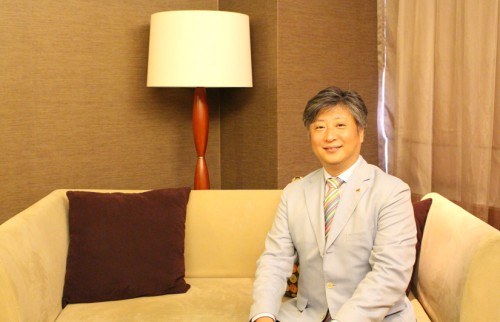
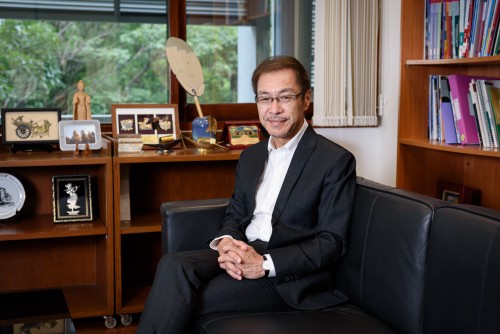
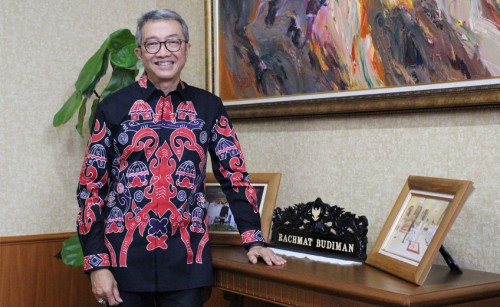
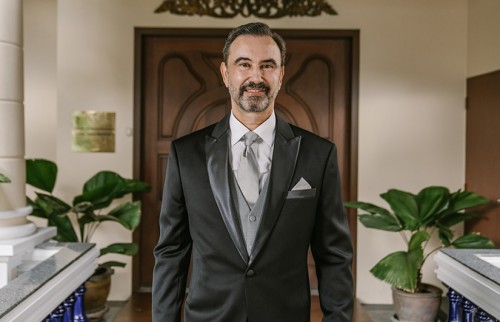
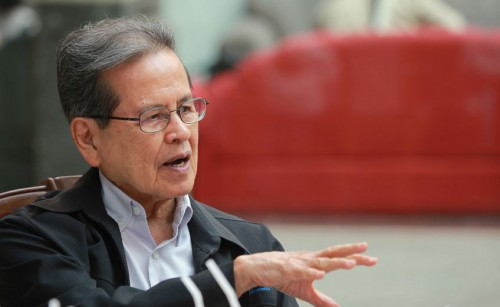
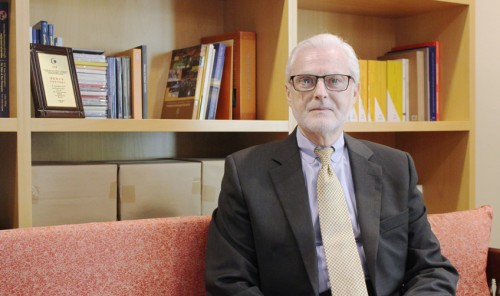
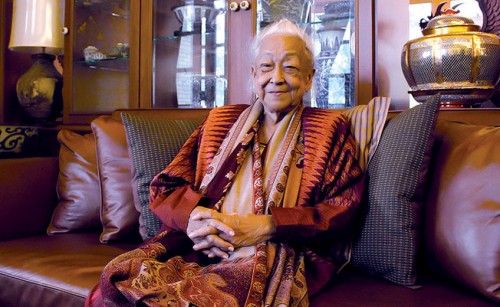
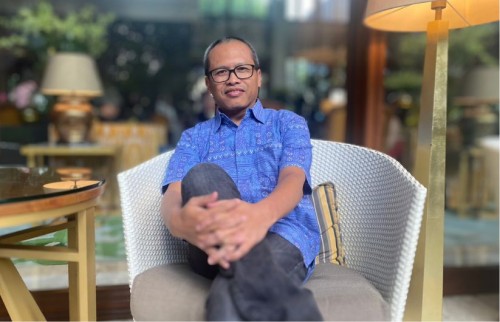
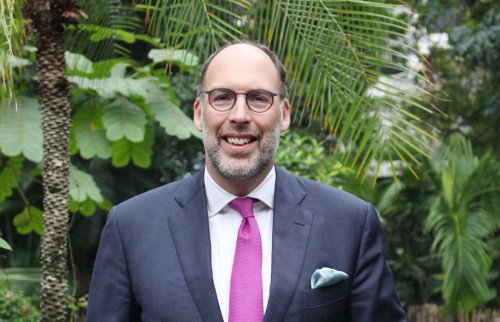
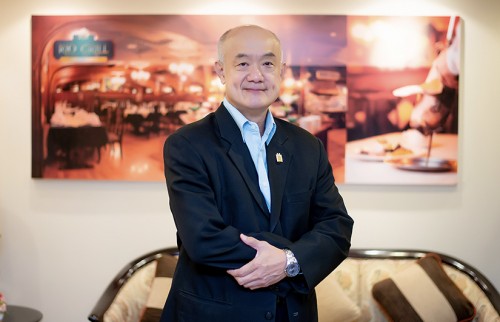
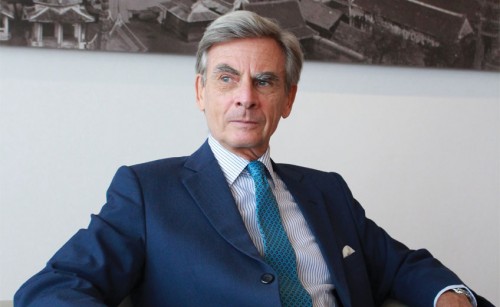
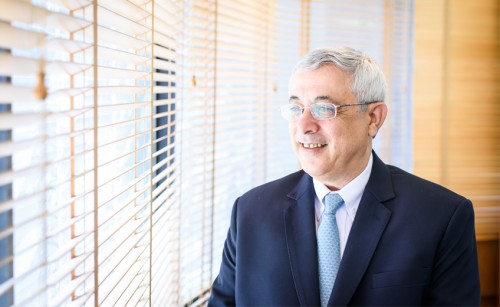
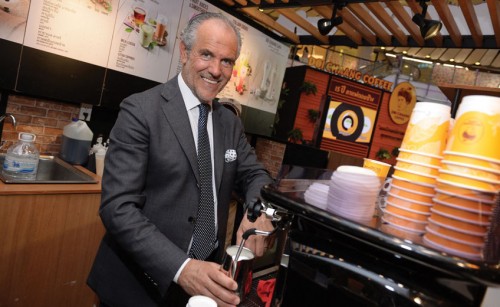
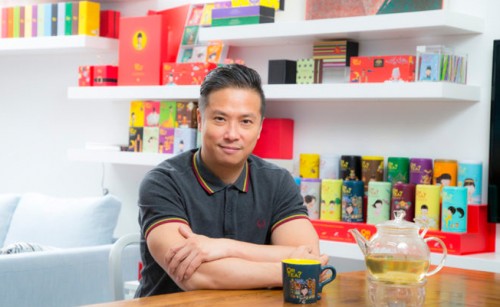
Chef Manuel Alonso: Tradition, Emotion and Evolution
Manuel Alonso Fominaya is widely regarded as one of the most influential chefs in the Valencian community. For him, gastronomy is far more than technique. “Gastronomy is a philosophy of life that requires passion, discipline, consistency and honesty. A memorable dish is not the most technical or complex, but one that connects with a diner in a way they cannot fully explain.”
Although rooted in Valencian cuisine, Chef Alonso embraces innovation as a natural extension of understanding tradition. “Tradition is not something that should be copied; it is something that must be understood. At some point, it is evolution. When you understand the reason behind a recipe, its origin and its intention, you can then evolve it without losing its soul. Valencian cuisine has a very strong and honest identity. My role is to respect it while, at the same time, translating it into a language that connects with the present.”
Running a family‑owned restaurant adds another layer of meaning to his work. “Growing up in a family business has its invisible responsibility, not to fail those who came before you. My parents are my role models. My path has been about finding that balance, respecting where I come from, without allowing it to limit where I am going.”
On the role of AI in gastronomy, Chef Alonso is surprisingly enthusiastic. “I use it in my day‑to‑day work, especially in restaurant management, to create dashboards, documents, cost sheets and KPIs. It is going to change many things in gastronomy, particularly in management, processes and efficiency. However, fortunately for us, for now I do not see it cooking. The reason is because there is one thing that will not change: ‘emotion’. An algorithm can help you make better decisions, but it cannot replace intuition, sensitivity or a chef’s perspective. I see AI as a tool, not a substitute.”
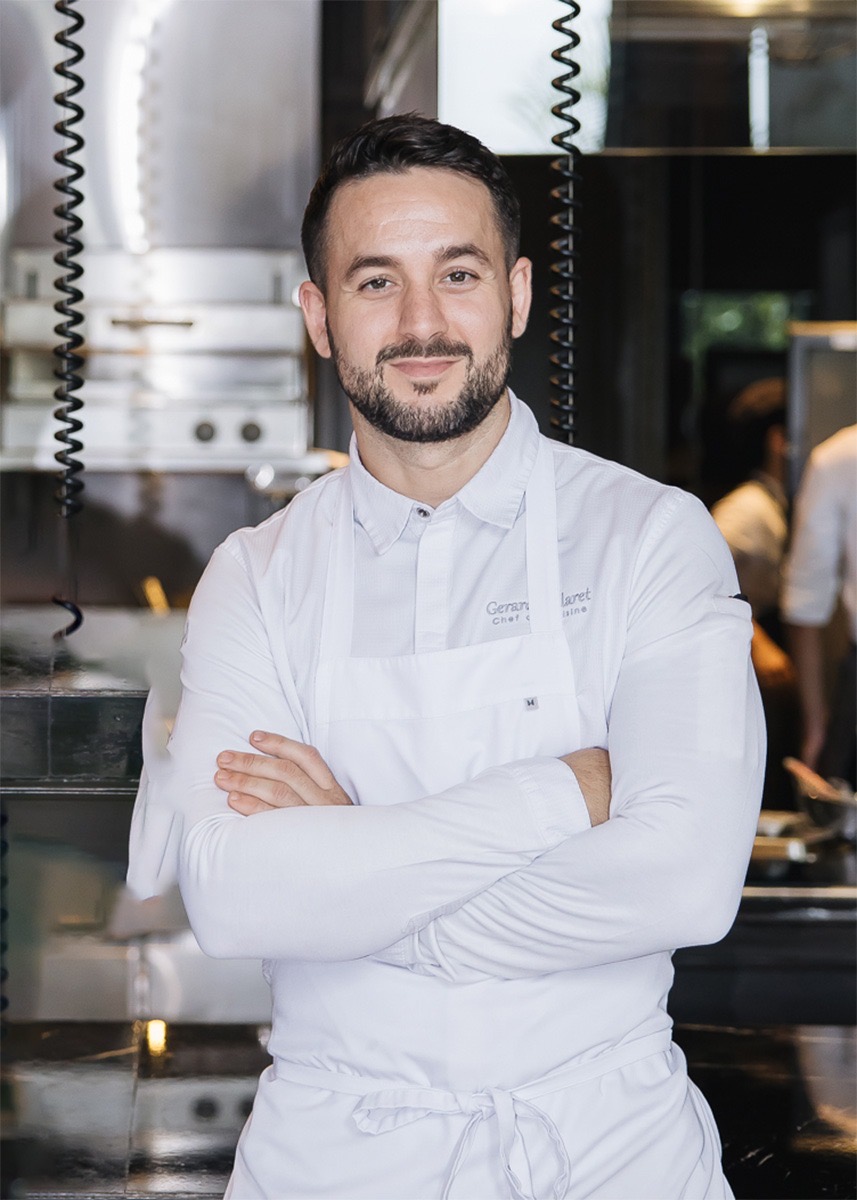
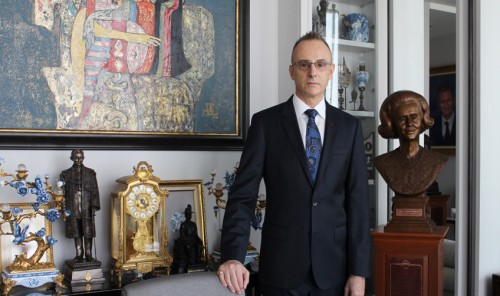
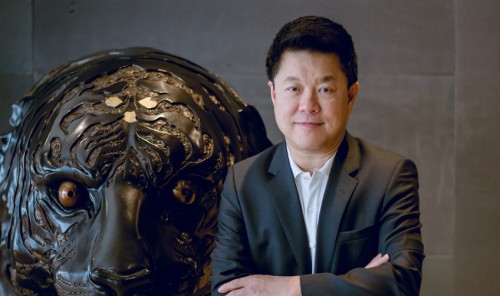
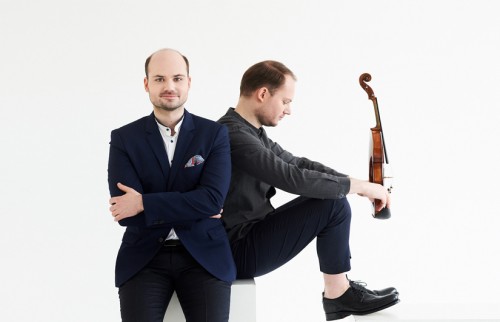
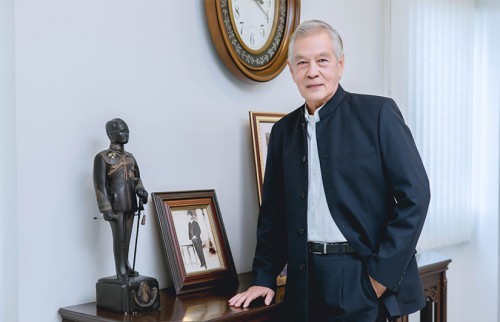
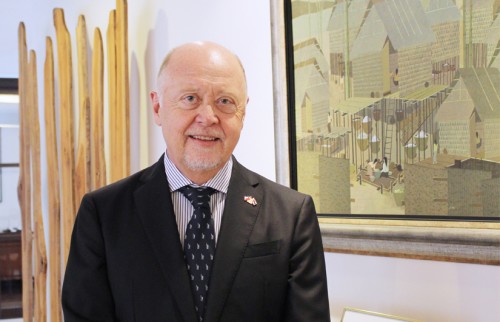
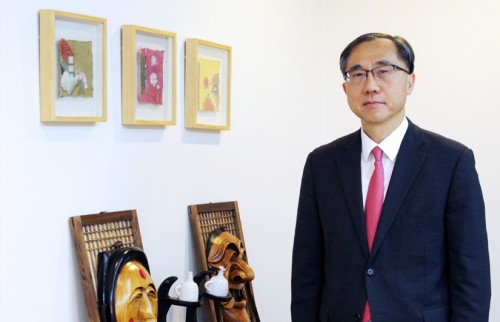
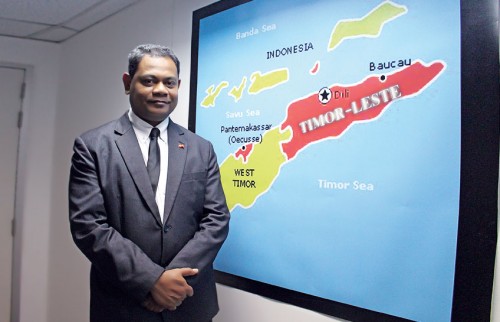
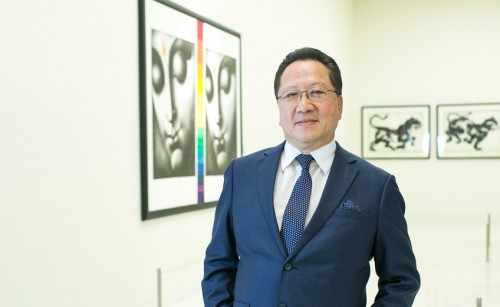
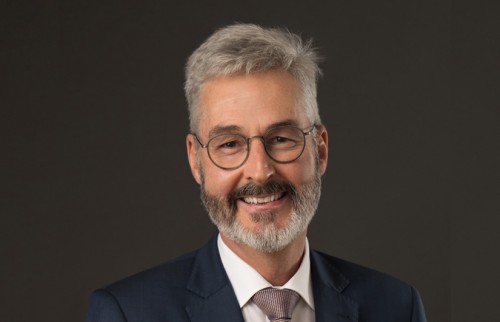
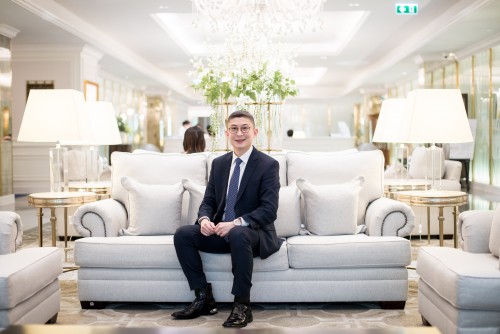
Chef Gerard Villaret Horcajo: Reinvention, Precision, and Global Influence
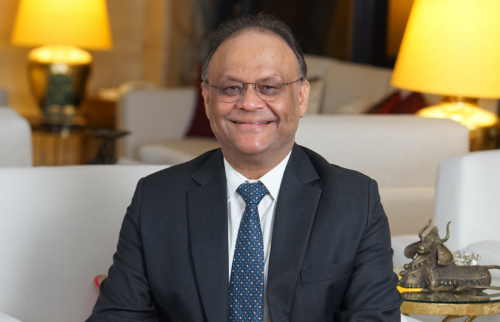
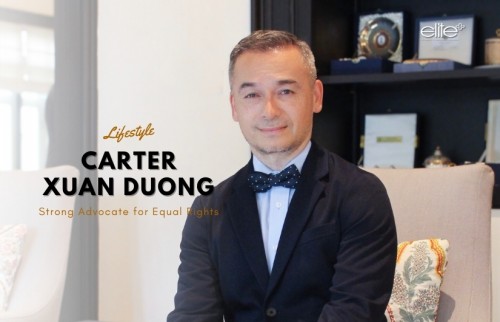
Chef Gerard Villaret Horcajo is a celebrated Spanish chef whose career has spanned some of Europe’s most demanding, fine‑dining kitchens. He is proud of Spain’s leadership in the global culinary conversation.
“Spain has taught the world that you can reinvent everything, from texture, temperature, expectation while staying completely true to your roots. Although my career has been in French fine dining since 2011, the Spanish way of thinking about food is something that never leaves me. It is in our DNA.”
Reflecting on his international journey, from Ciel Bleu in Amsterdam to Vendôme in Germany, Heston Blumenthal in London, De Librije in Zwolle and now Bangkok. He shared, “Each experience has added a layer to how I think about food. What I have taken from all of them is precision, discipline and the importance of constant evolution. Bangkok, in particular, has opened my eyes to an incredible mix of top, world‑class culinary restaurants and street food with local flavours.”
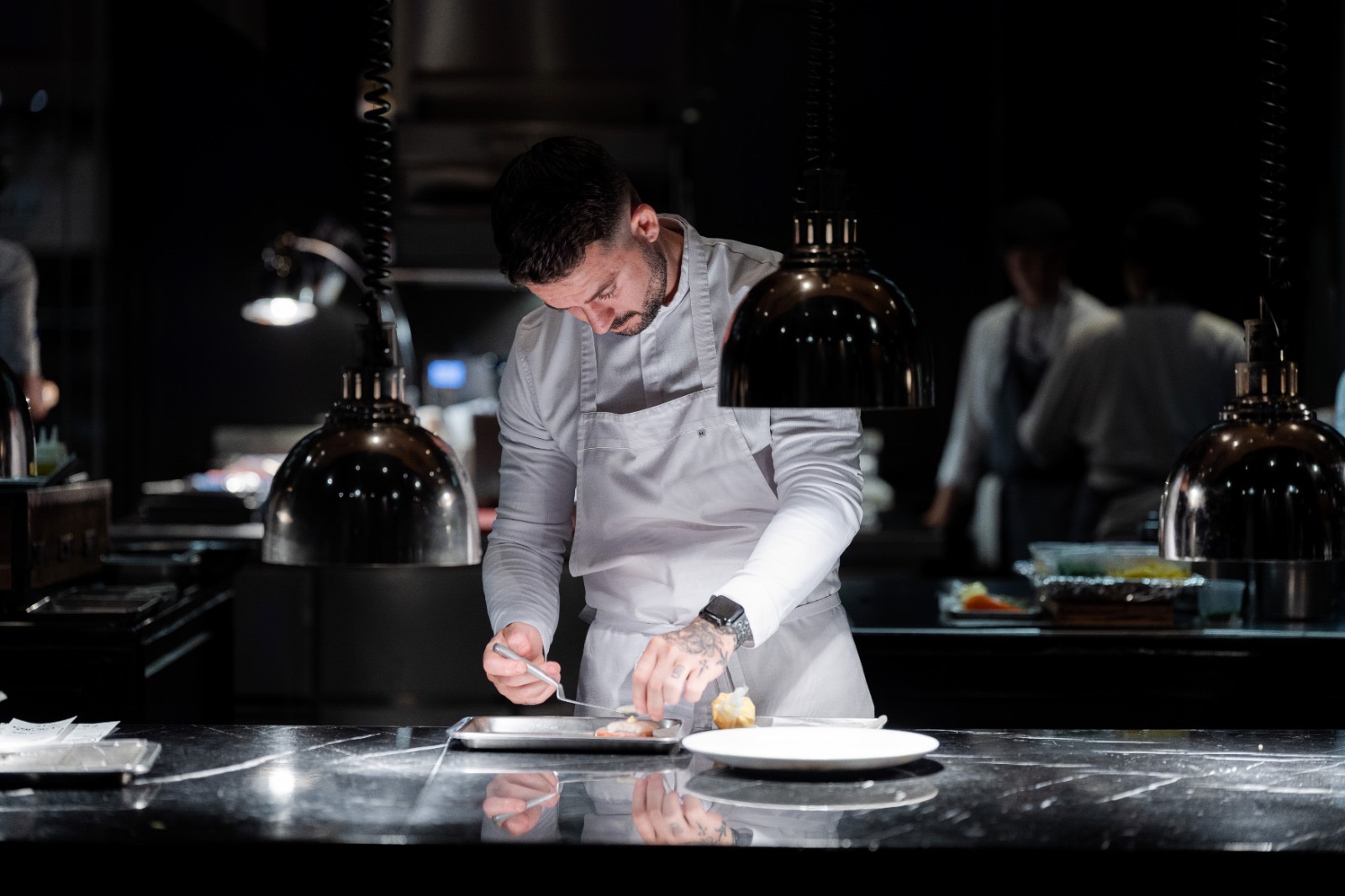
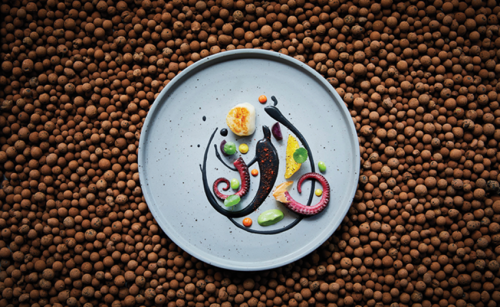
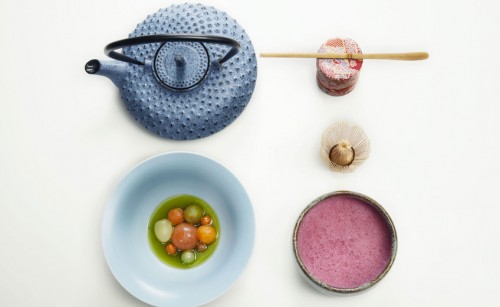
Spain’s reputation for exceptional produce, especially olive oil and wines, naturally finds its way into his cooking. “At Elements, our concept is French cuisine with Japanese influences, so I do not build menus around Spanish produce specifically, but certain ingredients from Spain are simply world‑class and find their natural place in the menu. Spanish olive oil, for instance, has a depth and complexity that enhances many preparations. It is not about flying a flag, but about using the best product for each dish, and sometimes that product happens to come from Spain.”
In the global conversation about abusive kitchen cultures, Chef Gerard is clear about the environment he chooses to cultivate. “The culture of fear and pressure that has existed in some kitchens for decades is not something I admire or replicate. I have seen it, and I have made a conscious choice to build something different. A team that feels respected performs better. I absolutely believe in high standards, but high standards and a healthy environment are not opposites. My job as a chef is also to develop the people around me. If someone leaves my kitchen better than when they arrived, that means as much to me as any star.”